


The Amazon of the Ocean: Why Every Diver Should Visit the Coral Triangle
When we think of the Earth’s most biologically diverse ecosystems, our minds naturally drift to the dense, humid expanses of the Amazon Rainforest. We imagine a place where every square inch is teeming with life, where new species are discovered regularly, and where nature’s complexity is on full display.
But what if the world’s greatest rainforest wasn’t a forest at all? What if it was completely submerged?
For scuba divers, the ultimate frontier of biodiversity isn’t found on land; it is found in a roughly triangular expanse of the western Pacific Ocean known as the Coral Triangle. Spanning the waters of Indonesia, Malaysia, the Philippines, Papua New Guinea, Timor-Leste, and the Solomon Islands, this region is the undisputed biological heart of our oceans. If you haven’t yet taken a giant stride into these waters, here is why you need to move the Coral Triangle to the top of your dive log bucket list.
 The Staggering Statistics of the Triangle
To understand the importance of the Coral Triangle, you have to look at the numbers. While this region covers only about 1.6% of the planet’s oceanic area, it houses a staggering concentration of life.
-
75% of all known coral species in the world are found here (nearly 600 different species of reef-building corals).
-
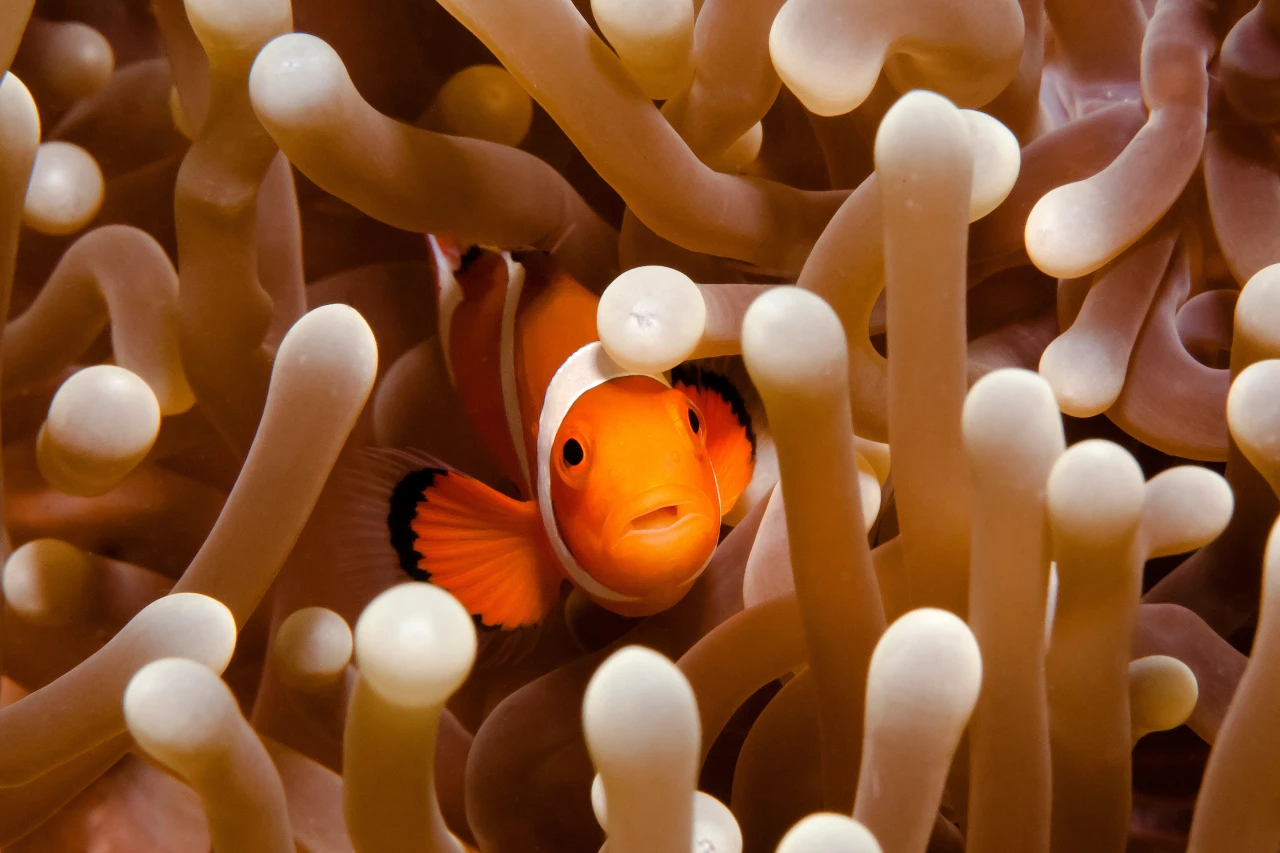
Over 3,000 species of reef fish call this area home, which is more than double the amount found in the Red Sea or the Caribbean.
-
Six of the world’s seven marine turtle species nest, forage, and migrate through these waters.
To put it in perspective: a single reef in the Coral Triangle can host more species of coral and fish than the entire Caribbean Sea combined. It is an evolutionary powerhouse where the competition for space and food has created some of the most specialized, bizarre, and beautiful creatures on the planet.
The Perfect Storm of Geology and Oceanography
Why is all this life concentrated in one specific area? The answer lies in millions of years of tectonic activity and oceanic currents.
The Coral Triangle sits at the intersection of the Pacific and Indian Oceans. This geographical bottleneck forces massive amounts of water to flow through narrow straits and archipelagos, bringing with it a constant supply of nutrients. Furthermore, during past ice ages, dropping sea levels created isolated pockets of water where species evolved independently. When the ice melted and sea levels rose, these unique species mixed, creating a super-concentration of biodiversity.
The water here is also consistently warm (averaging 27–29°C year-round) and relatively sheltered from the massive ocean swells that batter other coastlines, creating the perfect nursery for delicate coral polyps to build their massive, ancient structures.
Two Worlds in One: Macro and Pelagic
For the diver, the Coral Triangle offers an unparalleled “two-for-one” experience. It is the only place on Earth where you can dedicate your morning to the smallest, most cryptic creatures, and your afternoon to the giants of the sea.
The Macro Kingdom
This region is the birthplace of “muck diving.” In areas with dark volcanic sand or seemingly barren rubble, the Coral Triangle hides its greatest treasures. This is where you find the masters of camouflage: the flamboyant cuttlefish, the hairy frogfish, the mimic octopus, and the incredibly tiny Bargibanti pygmy seahorse. The density of life is so high that you could spend an entire 60-minute dive exploring a coral head the size of a coffee table and never get bored.
The Pelagic Superhighway
Look away from the reef and out into the blue, and the Coral Triangle delivers raw power. The deep trenches that run between the islands act as superhighways for migrating pelagics. It is common to encounter oceanic manta rays, whale sharks, schooling hammerheads, and massive tornados of jackfish and barracuda.
Where to Start Your Journey
Because the region spans six countries, deciding where to start can be overwhelming. While destinations like Raja Ampat in Indonesia or Kimbe Bay in Papua New Guinea are legendary, they often require multiple flights, liveaboards, and a substantial budget.
For many divers, the Philippines offers the perfect, accessible entry point into this underwater Amazon. The archipelago sits squarely in the center of the Triangle, offering easy logistics and world-class reefs. For instance, planning a trip that includes scuba diving in Bohol provides an incredibly concentrated look at this biodiversity. In a single day there, you can drift past pristine, turtle-covered coral walls, photograph rare nudibranchs in the shallows, and still be back at a comfortable resort for dinner.
A Fragile Paradise
With great biodiversity comes great responsibility. The Coral Triangle supports the livelihoods of over 120 million people who rely on the reef for food and income. However, it faces intense pressure from climate change, plastic pollution, and overfishing.
By visiting these regions as a responsible scuba diver, you contribute to a sustainable tourism economy that places a higher financial value on a living reef than a dead one. Your marine park fees help fund patrols, your hotel stays support local communities, and your photographs help spread awareness of what we stand to lose.
The Coral Triangle is a reminder that our planet is still wild, unexplored, and infinitely creative. It is the underwater Amazon, and it is waiting for you.
